| Key Takeaways |
|---|
| Victorian pine restoration requires a delicate balance of aggressive sanding and precision finishing. |
| Starting with 36 or 40-grit Zirconia is essential for removing layers of old bitumen and unevenness. |
| Gap filling with a mixture of resin and sanding dust ensures a seamless, draft-free finish. |
| Osmo Hardwax Oil is the preferred choice for heritage timber in British humidity conditions. |
The Problem: The Hidden Potential of Drafty, Darkened Floorboards
For many homeowners in the UK, the sight of original Victorian pine floorboards is often obscured by decades of neglect. Whether hidden under threadbare carpets or coated in thick, stubborn bitumen, these boards frequently suffer from more than just aesthetic decay. They are often uneven, drafty, and prone to splintering, creating an environment that feels cold and uninviting. This isn’t just a matter of surface wear; it is a structural and thermal issue that affects the comfort of your heritage home.
The Agitation: Why Amateur Sanding Often Ends in Disaster
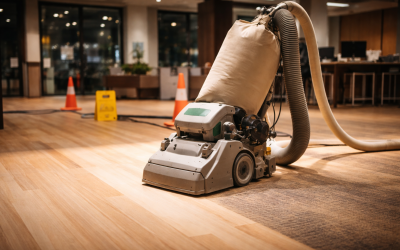
Attempting a DIY restoration on nineteenth-century timber is a perilous endeavour. The ‘timber’ in Victorian properties is often soft pine, which can be easily gouged by heavy-duty hire shop machinery. Without the right tradesmen using professional-grade tools like the Bona Belt or the Lagler Hummel, you risk irreparable damage. Uneven sanding leads to ‘chatter marks’, and failing to manage the moisture content can cause the boards to warp or cup once the finish is applied. Furthermore, the sheer volume of dust produced without a true HEPA-filtered vacuum system like the Bona Dust Extractor can permeate every corner of your property, making the project a logistical nightmare.
The Solution: A Professional Heritage Restoration Framework
The secret to a flawless Victorian restoration lies in the technical execution of the grit sequence and the choice of chemical finishes. To achieve topical authority in wood restoration, one must understand the unique characteristics of aged pine. For any homeowner considering floor sanding in Rainham, we follow a rigorous process to ensure every board is treated with respect.
1. The Grit Sequence: From Zirconia to Silk
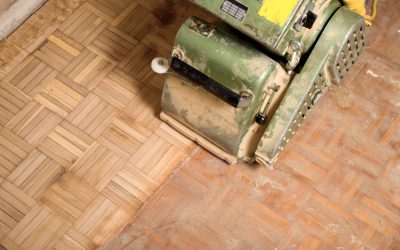
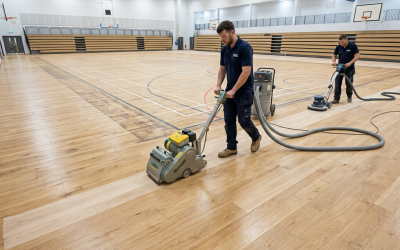
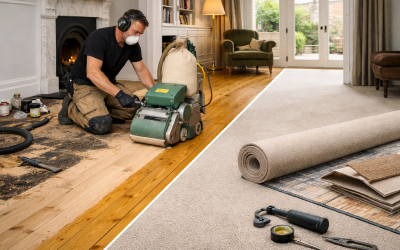
We typically begin the process with a 40-grit Zirconia abrasive. Zirconia is far more durable than standard aluminum oxide, making it ideal for cutting through old floor waxes and Victorian-era stains. For particularly uneven boards, we may even drop to 36-grit to level the floorboards effectively. Following this, we progress through 60-grit, 80-grit, and finally a 100 or 120-grit finish using a Bona Flexisand or Frank Spider for a perfectly smooth surface. This progression is vital to remove the scratches from the previous, more aggressive passes.
2. Gap Filling & Heritage Care
Once the boards are leveled, we address the common issue of gaps. Using Bona Mix & Fill, we create a paste using the fine dust collected during the 80-grit sanding stage. This ensures a perfect colour match. For larger gaps, we may employ ‘pine slivers’—thin strips of reclaimed timber glued into the gaps to maintain the structural integrity and aesthetic of the heritage restoration. This process significantly reduces drafts, making your home more energy-efficient and potentially reducing VAT-eligible renovation costs through improved thermal performance. For a broader look at the process, see our guide on professional wood floor sanding.
3. The Finishing Touch: Osmo Hardwax and UK Humidity
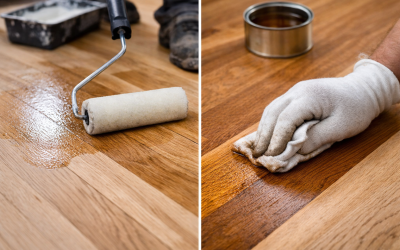
In the British climate, moisture levels fluctuate significantly. We often recommend Osmo Polyx-Oil (Hardwax Oil) for Victorian pine. Unlike lacquers, which can sometimes ‘bridge’ the gaps and crack as the timber moves, Osmo penetrates deep into the grain. It allows the wood to breathe, which is essential for older properties. A Pro-Tip: always check the moisture content of the timber before applying the first coat. Ideally, it should be between 8% and 12%. When applying, we suggest two thin coats with a curing time of approximately 8–10 hours per coat, depending on the ventilation. You can learn more about finish options in our comprehensive guide to floor finishes.
For those seeking a more contemporary, durable finish, Bona Traffic HD remains the industry gold standard. It offers incredible resistance to scuffs and chemicals, which is perfect for high-traffic hallways. However, ensure that a primer like Bona Classic is used first to prevent ‘tannin pull’—a common issue where the natural oils in the pine react with the water-based lacquer to create unsightly blotches. For further reading on professional standards, the National Wood Flooring Association (NWFA) provides extensive documentation on these technical interactions.
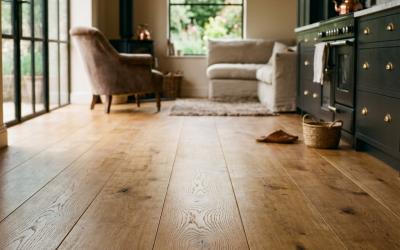
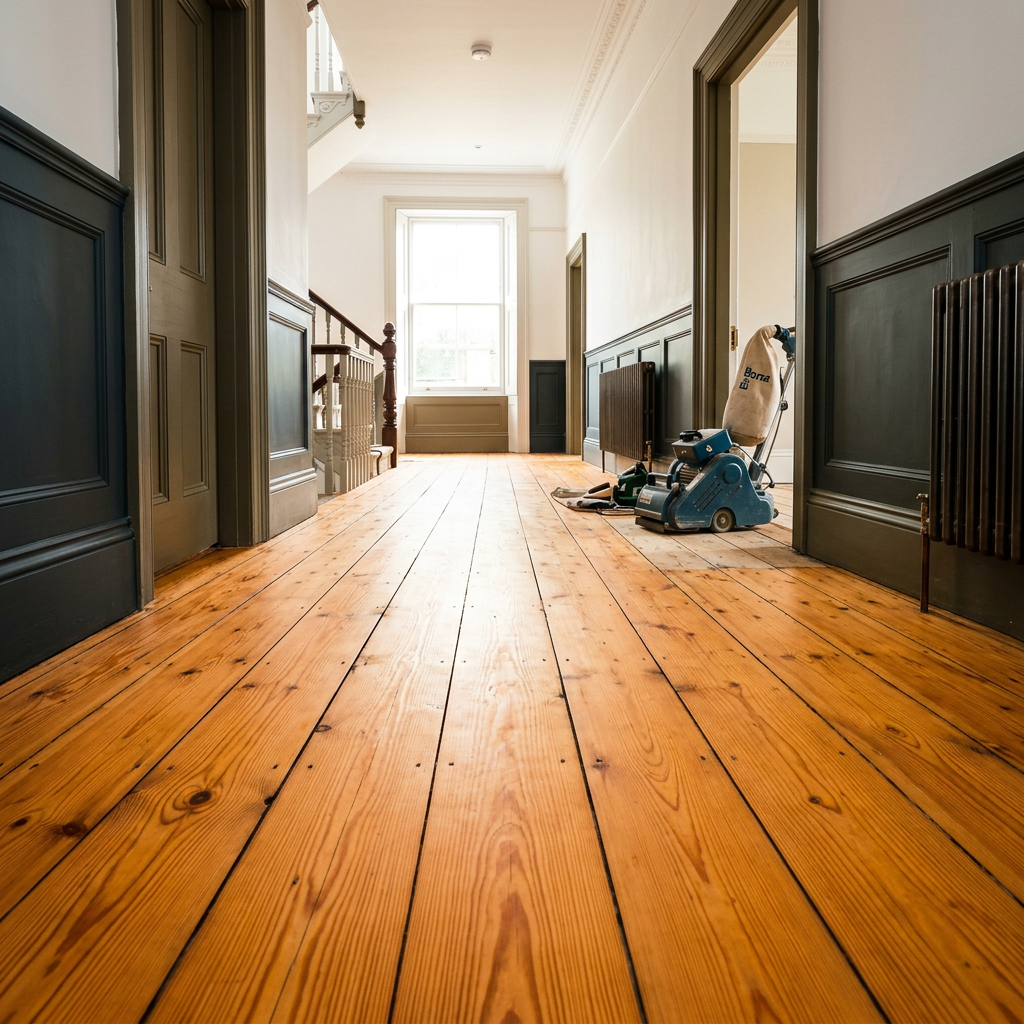
Ultimately, restoring Victorian floorboards is an investment in the heritage of your home. By combining heavy-duty dust-free machinery with high-end finishes, you can transform a drafty relic into the focal point of your interior design.