Floor Sanding or New Carpet? A 10-Year Value Guide for Rainham Homeowners
If you are weighing up floor sanding in Rainham against fitting brand-new carpet, the cheapest quote today is not always the best value over the next decade. For many Rainham homeowners, especially those with original timber floorboards hidden beneath older coverings, sanding and refinishing can deliver a longer service life, lower repeat replacement costs, and a stronger uplift in appearance, hygiene, and property appeal than carpet replacement alone.
This guide breaks down the real 10-year picture: upfront spend, maintenance costs, lifespan, comfort, resale appeal, cleaning demands, and which option makes the most sense for Victorian homes, 1930s semis, rentals, family houses, and busy everyday living in Rainham.
The short answer: which gives better value over 10 years?
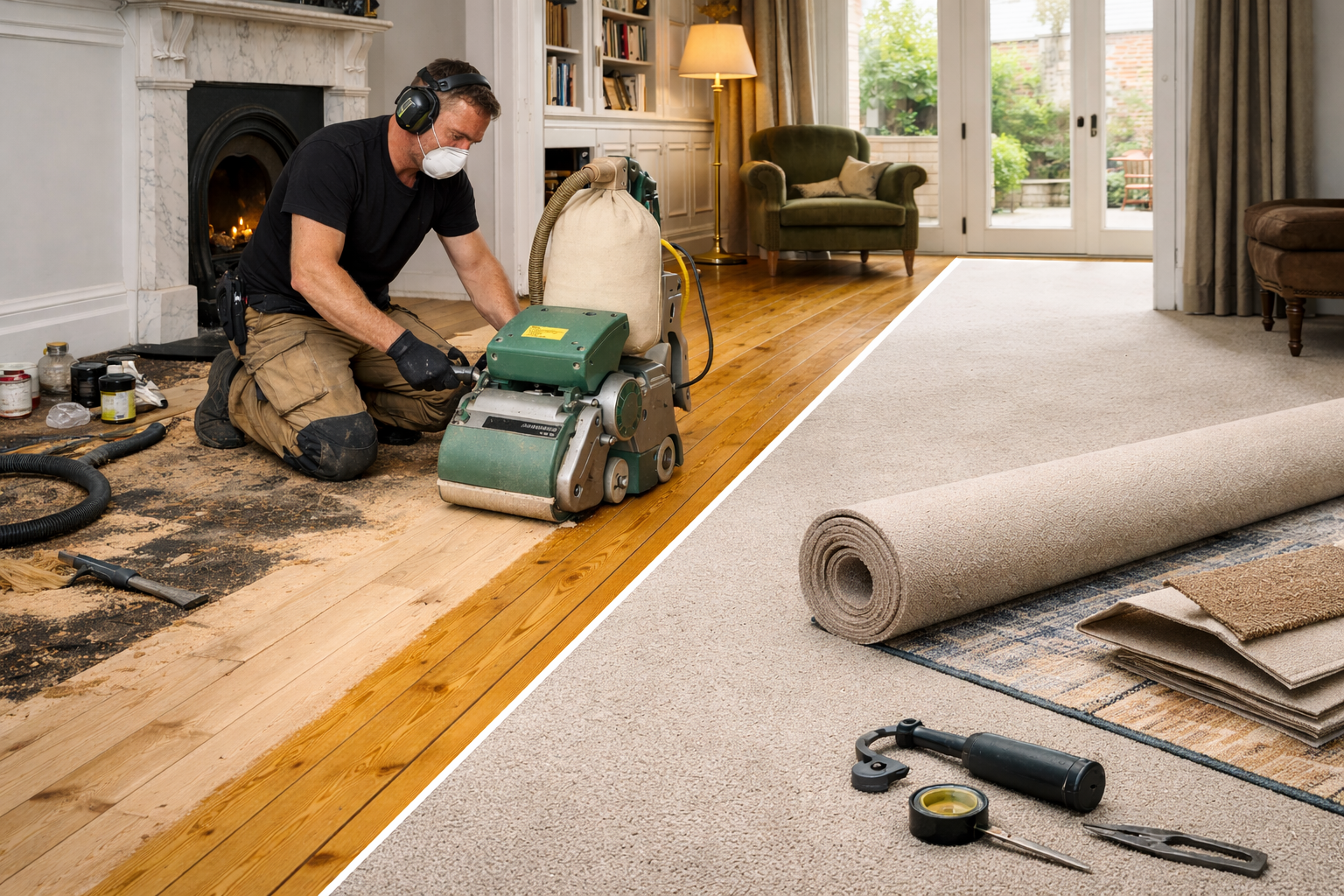
In many homes, professional floor sanding offers better long-term value than replacing carpet every few years. That is especially true when the existing timber is structurally sound and simply needs repairs, sanding, and a durable finish. Carpet may cost less at the start, but it usually has a shorter practical lifespan in busy rooms, is more vulnerable to staining and wear paths, and often needs replacing more than once within a 10-year period.
By contrast, a properly restored timber floor can keep performing for many years with routine care, localised touch-ups, and occasional maintenance coats depending on the finish system used. If your home already has original boards under the carpet, restoring them often turns a hidden asset into a visible selling point.
Why this comparison matters in Rainham homes
Rainham homes vary widely. Some have original pine boards beneath old underlay and gripper rods. Others have later hardwood installations, parquet sections, or mixed flooring from different eras. In practical terms, the right decision depends on what is already there, how heavily the room is used, and whether you are optimising for immediate budget, appearance, rental durability, family practicality, or long-term property value.
Carpet is still chosen for bedrooms and some upstairs rooms where softness underfoot matters most. Yet in hallways, living rooms, dining rooms, home offices, and many open-plan spaces, a restored timber floor usually performs better over time. It is easier to clean, less likely to trap odours and allergens, and far more resilient when finished correctly with modern lacquer, oil, or hardwax oil systems.
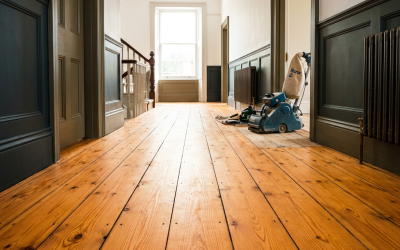
If you want to understand the broader process and what restored boards can look like in practice, see Wood Floor Sanding in Rainham: Restore Tired Boards to Like-New.
Upfront cost: what do homeowners usually compare?
At first glance, carpet often appears to win the price argument. Many homeowners look at the cost of carpet, underlay, fitting, and disposal, compare that with sanding and finishing, and assume carpet is the budget-friendly route.
But that comparison is often incomplete.
When you replace carpet, you are usually paying for:
- Removal of the old carpet
- Disposal
- New underlay
- New carpet
- Fitting labour
- Door trimming or threshold adjustments in some cases
- Repeat replacement later when it wears out
When you restore an existing timber floor, you are usually paying for:
- Carpet uplift if fitted over boards
- Removal of staples, grippers, and residues
- Board repairs and preparation
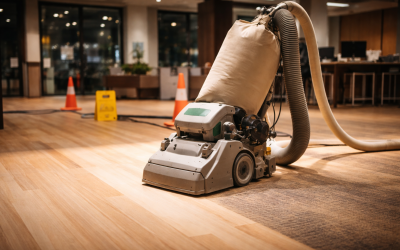
- Sanding in multiple grit stages
- Gap filling where appropriate
- Sealing and finishing
On the current Rainham Floor Sanding prices page, sanding-only starts from a lower per-square-metre level, while sanding with finishing systems is priced separately, making it easier to compare the real cost of restoring timber against the recurring cycle of replacing floor coverings. For many households, the key question is not “Which is cheaper this month?” but “Which costs less to live with over 10 years?”
A realistic 10-year cost view
Let us take a practical view rather than a theoretical one.
Option 1: Carpet replacement
A mid-range carpet in a busy family room may look good when first fitted, but over time it can develop:
- Flattened pile in traffic lanes
- Staining from drinks, pets, or muddy footwear
- Lingering odours
- Wear around thresholds and turning points
- Fading from sunlight
- Rippling or loosening if the installation ages poorly
In a high-traffic room, many carpets look tired well before the 10-year mark. That can mean paying again for replacement during the same decade.
Option 2: Floor sanding and refinishing
A sanded timber floor usually has a higher perceived finish value and, crucially, can be maintained rather than fully replaced. Surface scratches do happen, but they are often easier to manage than widespread carpet wear. Protective felt pads, sensible cleaning, entrance matting, and the right finish choice can extend performance significantly.
Over 10 years, that often means:
- No full replacement cycle
- Lower deep-cleaning dependency
- Fewer hygiene issues linked to trapped dust and stains
- Better resilience in busy circulation spaces
- A floor that still adds visual value to the home
In other words, carpet is consumable. Restored timber is an asset.
Lifespan: the biggest difference most people overlook
The strongest argument for sanding is lifespan. Carpet is designed to be replaced. Timber flooring is designed to be renewed.
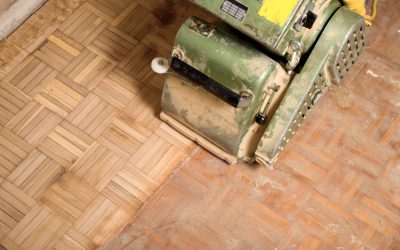
If the floorboards are in good enough condition, sanding removes old finishes, surface damage, and ingrained wear, then prepares the timber for a new protective system. That means the same floor can keep serving the house long after one carpet cycle would have ended.
This is particularly important in period Rainham homes where original boards often have more long-term value than a fresh carpet laid over them. Once restored properly, they become part of the home’s identity rather than a hidden sub-surface.
For owners of patterned or older timber floors, the same principle applies to block floors as well. See Parquet Perfection: Restoring Classic Herringbone Floors the Right Way for an example of how restored timber can outperform a replace-and-hide approach.
Maintenance costs over 10 years
Carpet maintenance
Carpet often looks inexpensive until the maintenance burden builds up. Over a 10-year span, many households spend repeatedly on:
- Spot stain removers
- Professional carpet cleaning
- Odour treatments
- Rug layering to hide worn patches
- Partial room refreshes after accidents or damage
And once the fibres are crushed or permanently marked, cleaning no longer restores the original look.
Timber floor maintenance
Sanded wood floors need care too, but the routine is usually simpler:
- Dry dust removal with a soft brush or microfibre system
- Well-wrung cleaning using wood-floor-safe products
- Felt protection under furniture
- Fast response to spillages
- Occasional maintenance attention depending on wear
In practical family use, timber often wins because dirt stays on the surface instead of working down into fibres and underlay. That changes both the cleaning effort and the long-term appearance of the room.
Value beyond cost: appearance, resale and buyer appeal
Cost alone is only part of the decision. Flooring also affects how a room feels, photographs, and is perceived by visitors or buyers.
A professionally sanded timber floor can make a space look:
- Brighter
- Larger
- Cleaner
- More premium
- Better maintained
- Architecturally more original
Carpet can feel warm and soft, but it rarely has the same visual impact in sales photos or viewings. In many cases, buyers see timber floors as a desirable feature and old carpet as something they may want to remove anyway.
If you are improving your home with future saleability in mind, sanding original boards often provides both immediate enjoyment and longer-term market appeal.
Which rooms favour floor sanding and which still suit carpet?
Rooms where sanding often offers better 10-year value
- Hallways
- Living rooms
- Dining rooms
- Home offices
- Landings
- Multi-use family spaces
These are the rooms where carpet wear usually shows fastest and where timber’s durability, wipe-clean practicality, and visual lift are most valuable.
Rooms where carpet may still make sense
- Some bedrooms where softness and warmth are the priority
- Specific upstairs rooms where acoustics matter more than finish longevity
- Very low-budget refreshes where no recoverable timber exists underneath
The best home decisions are rarely all-or-nothing. Many Rainham households choose a mixed strategy: restore the main timber floors and use carpet selectively where comfort matters most.
Hidden subfloor value: what sits under the carpet matters
One of the most important parts of this comparison is what already exists below the carpet. If there are original pine floorboards or other real timber boards underneath, replacing carpet without checking them first can mean covering an asset you already own.
In that situation, sanding is not really the purchase of a new floor. It is the restoration of an existing one.
That changes the economics completely.
You are not buying surface material plus installation plus eventual replacement. You are investing in preparation, craftsmanship, and protection for timber that may already have decades of life left in it.
Performance in busy family life
Families usually ask the same practical questions:
- Which floor copes better with children?
- Which one is easier with pets?
- Which is easier to keep clean?
- Which looks better for longer?
In busy homes, carpet can quickly hold onto dust, food particles, pet hair, dander, and accidental stains. Timber floors are not invincible, but they are far easier to inspect, clean, and maintain on a day-to-day basis.
That is one reason professionally restored wood floors are often the better practical choice in circulation-heavy homes, especially when paired with rugs in selected zones for comfort and acoustic softness.
Finish choice affects the 10-year outcome
Not all sanded floors perform the same. The final result depends heavily on the preparation and finishing system used.
Lacquer
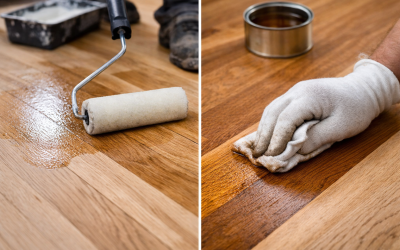
A good lacquer system is often the best fit for busy homes wanting strong wear resistance and simpler cleaning. It creates a sealed, durable surface suited to family use.
Oil or hardwax oil
These finishes offer a more natural look and are often appreciated in premium interiors. They can also be attractive where localised maintenance is a priority, although they still need correct aftercare and realistic expectations.
If you want brand guidance on timber floor finishes and maintenance systems, see Bona Professional and Osmo UK. For broader wood flooring guidance and care standards, NWFA is also a useful reference point.
When carpet replacement may be the better decision
Although sanding often wins on long-term value, carpet replacement can still be the better choice when:
- There is no suitable timber floor underneath
- The existing boards are too badly damaged or structurally unsound
- You specifically want a softer feel in a low-traffic room
- Budget constraints mean a very basic short-term refresh is the only option
- Noise reduction is the main priority and you do not want rugs or acoustic treatments
The right recommendation should always come after inspection, not assumption.
When floor sanding clearly makes more sense
Floor sanding is often the smarter investment when:
- Original boards are present beneath the carpet
- You want better 10-year value rather than the lowest day-one spend
- The room is busy and carpet will wear quickly
- You want a cleaner, more premium look
- You are improving resale appeal
- You would rather maintain a floor than replace it repeatedly
It is also the stronger option for homeowners who want a result that feels bespoke to the house rather than simply fitted over it.
FAQ: Floor Sanding vs. Carpet Replacement
Is sanding always more expensive than carpet?
Not necessarily. Sanding can cost more upfront in some cases, but over 10 years it often represents better value because it avoids repeat full replacement cycles.
Does a sanded floor add value to the home?
In many cases, yes. Restored timber floors are often seen as more attractive, more premium, and more desirable than tired carpet, especially in living areas and hallways.
What if my boards are under old carpet?
That can be an ideal scenario for restoration, provided the boards are structurally sound. The carpet may simply be hiding an asset worth uncovering.
Which is easier to keep clean?
Timber flooring is usually easier to clean day to day because dust, grit, and spills stay on the surface rather than becoming trapped in fibres.
Is carpet better for bedrooms?
Sometimes, yes. Bedrooms are one of the few areas where carpet can still be a strong personal-comfort choice, particularly if softness underfoot matters more than lifespan or resale presentation.
Final verdict: which gives better 10-year value in Rainham?
For many homeowners, especially where real timber already exists beneath the current floor covering, professional floor sanding offers the stronger 10-year return. It protects and improves an existing asset, reduces repeat replacement costs, creates a cleaner and more premium finish, and often supports better property appeal over time.
Carpet still has its place, especially in selected bedrooms or where softness is the overriding priority. But in busy everyday spaces, it is usually the shorter-term solution.
If your current carpet is tired and you suspect there may be good floorboards underneath, it is worth getting the timber assessed before spending money on another full carpet replacement.
Speak to a local Rainham floor sanding specialist
If you want to compare the real cost of restoring your existing timber floor against replacing carpet again, visit Rainham Floor Sanding or review the current pricing page. A proper inspection can tell you whether your boards are suitable for sanding, what repairs may be needed, and which finish will give you the best long-term value for your home.
For homeowners looking to spend once and enjoy the benefit for years, floor sanding is often the smarter decision underfoot.