The Best Eco-Friendly Wood Floor Finishes for Busy Family Homes in Rainham
If you are planning floor sanding in Rainham and want a finish that looks beautiful without making family life harder, the choice usually comes down to two strong contenders: low-VOC lacquer or natural oil. Both can protect timber well, both can suit busy homes, and both can be specified to support a healthier indoor environment. The right answer depends on how your household actually lives: children charging through the hallway, pets bringing in grit, buggies parked by the door, kitchen spillages, and the very normal wear that comes with a lived-in family home.
At first glance, this decision often gets reduced to “lacquer is tougher” and “oil is more natural”. That is far too simplistic. In practice, the better choice depends on the species of timber, the condition of the floorboards, the room use, your maintenance habits, the desired sheen level, and how much you value easy local repairs versus a more sealed surface. For many Rainham households, especially in family properties where hallways, living rooms and dining areas see constant daily use, the finish needs to do more than just look good on day one.
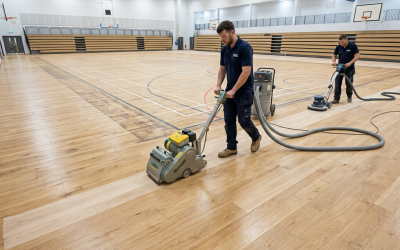
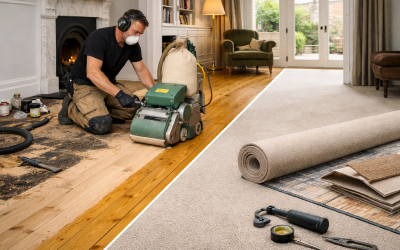
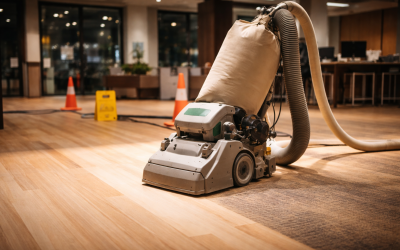
Before choosing any finish system, it makes sense to start with a proper assessment from Rainham floor sanding specialists. The floor has to be sanded correctly, cleaned thoroughly, and prepared for adhesion. If the sanding sequence, resin work, edge preparation or moisture checks are wrong, even the best coating can fail early.
Why eco-friendly finish selection matters more in family homes
In a family property, the finish is not just a decorative top layer. It affects how the room smells after refinishing, how quickly the space can return to normal use, how easily the floor cleans, and how future wear can be managed. That is why more homeowners now ask specifically for low-odour, lower-emission, water-based lacquers or natural oil systems with a more breathable, less plastic-looking result.
Eco-friendly does not mean soft, weak or short-lived. Done properly, modern floor finishing systems can deliver excellent durability while reducing harsh solvent exposure compared with older, more aggressive coating technologies. The more useful question is not whether a finish sounds green in marketing copy, but whether it performs well in real domestic conditions and suits the way your home is used.
For example, a family with a dog, two children and a kitchen-diner opening onto the garden will have different priorities from a couple restoring original Victorian boards in a low-traffic front room. Likewise, a pine floor in an older house may benefit from a different appearance and repair strategy than a modern oak floor in an open-plan extension.
What “low-VOC” and “natural oil” really mean
VOC stands for volatile organic compounds. In plain English, these are compounds that can be released into the air as finishes dry and cure. Lower-VOC products are often chosen to reduce odour and indoor air impact during and after refinishing. Water-based lacquer systems are popular for this reason, especially in homes where clients want a faster, cleaner-feeling return to normal life.
Natural oils, including professional hardwax oil systems, work differently. Instead of creating only a film on top of the wood, they penetrate into the timber and enhance grain character while leaving a more natural, tactile finish. Many homeowners prefer that look because it feels warmer, less synthetic and more in keeping with period properties or premium understated interiors.
However, “natural” should never be confused with “maintenance-free”. Oils can be excellent in family homes, but only when the client understands the upkeep model. A well-informed decision beats a fashionable one every time.
Low-VOC lacquer: what it is and why many family homes choose it
Low-VOC lacquer is usually a water-based finishing system applied over properly sanded timber. In most domestic refinishing projects, the appeal is obvious: it dries comparatively fast, comes in a range of sheen levels, offers strong resistance to abrasion, and creates a sealed surface that is easy to clean. For families dealing with crumbs, muddy shoes, toy traffic and routine wiping down, that practicality matters.
In homes where the priority is a crisp, uniform surface that copes well with repeated cleaning, lacquer is often the front-runner. It is particularly suitable for:
- hallways and landings with constant footfall
- living rooms used daily by children and pets
- dining rooms where spills need quick wipe-up protection
- rental or resale-focused properties where consistency matters
- busy households that want lower day-to-day upkeep
A quality lacquer system also works well where clients want a matt or extra-matt appearance without giving the floor an overly glossy, dated look. Modern water-based products are far more refined than the thick, shiny varnish many people still picture.
If you want to understand how full restoration ties into finish performance, see Wood Floor Sanding in Rainham: Restore Tired Boards to Like-New. A finish is only as good as the sanding and preparation beneath it.
Advantages of low-VOC lacquer
- Strong surface protection: excellent for active households where grit, chair movement and daily wear are constant issues.
- Easier cleaning: the sealed surface makes routine maintenance straightforward.
- Consistent appearance: ideal if you want an even sheen across the whole floor.
- Good option for allergy-conscious households: less dust trapping in an open-grained, worn surface once the coating is intact and properly maintained.
- Well suited to modern family layouts: especially open-plan rooms where the same floor runs through several connected spaces.
Potential drawbacks of low-VOC lacquer
- More noticeable wear once the coating breaks: scratches and traffic lanes can stand out more clearly over time.
- Local repairs are less invisible: spot-fixing one section can be harder than with oil.
- Can look too sealed for some tastes: especially if the client wants a soft, natural, close-to-bare-wood look.
Natural oils: why they appeal to homeowners who want a warmer, more organic finish
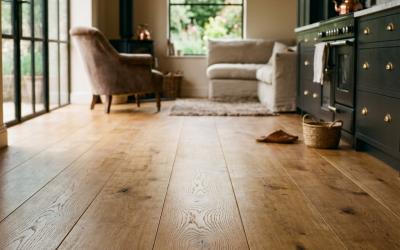
Natural oil systems, particularly hardwax oils used on wooden floors, are chosen because they enrich the timber rather than simply covering it. They bring out grain, preserve a more natural feel underfoot, and often suit older properties beautifully. In Rainham family homes with original pine boards, oak boards, parquet, or character-led interiors, oil can produce a more authentic and sophisticated finish.
This is especially relevant in homes where the floor is part of the design story rather than just a practical surface. If the aim is to celebrate the grain, maintain a low-sheen organic appearance, and avoid the more coated look of some lacquers, oil is a strong option.
Natural oils can also be very useful where future localised maintenance matters. A family home does not wear evenly. The path from front door to kitchen, the area under the dining table, and the zone around a sofa or play space may age faster than other sections. Oiled systems are often easier to refresh in targeted areas without treating the entire room in the same way a lacquered floor might require.(Osmo Polyx®-Oil)
Advantages of natural oils
- Natural appearance: enhances timber character and avoids an overly coated look.
- Pleasant feel underfoot: many homeowners prefer the more tactile finish.
- Repair-friendly: easier to maintain and refresh in worn areas.
- Excellent for period homes: especially original boards where authenticity matters.
- Works well in design-led interiors: ideal for warm, understated, premium spaces.
Potential drawbacks of natural oils
- Needs proper maintenance discipline: neglect shortens performance.
- Can mark sooner in heavy-use zones if not maintained: especially with wet shoes, pet bowls or repeated spillages.
- Not always the best fit for every family: particularly where the household wants the lowest possible upkeep.
Which finish is better for children, pets and everyday family wear?
For many busy family homes, low-VOC lacquer wins on pure convenience. It gives a sealed surface, handles routine cleaning well, and tends to feel more forgiving for households that want a “fit it and get on with life” option. If your priority is durability with minimal fuss, especially in hallways, lounges and dining areas, lacquer often makes the strongest practical case.
That said, oil can still be the better overall choice where appearance and repairability are more important than the very lowest-maintenance regime. A family home with dogs, children and an active lifestyle can absolutely work with oil, but the owners need to be realistic about care. Small issues should be addressed early. Entrance matting, felt pads, sensible cleaning products and periodic maintenance coats matter more.
For hard-working spaces, it is worth comparing your priorities honestly:
- Choose low-VOC lacquer if: you want stronger routine protection, easier cleaning, and a more sealed, practical surface.
- Choose natural oil if: you want the most natural look, prefer a warmer aesthetic, and value easier local repairs over time.
How timber type and house style influence the right finish
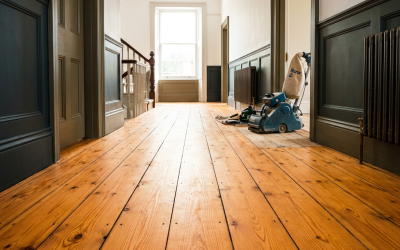
Not every family home in Rainham has the same flooring or the same building character. That matters. Original pine boards in older properties often look excellent with oil because the finish complements the grain movement and heritage feel. Oak boards can work beautifully with either system, depending on whether you want a cleaner contemporary appearance or a richer, more natural one.
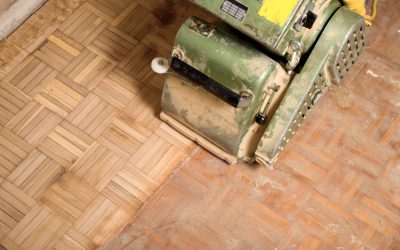
Parquet can also go either way. A lacquer may sharpen the visual neatness of the pattern, while oil can soften the overall effect and draw out colour variation. The correct choice depends on the final look you want and how heavily the room will be used.
If your project involves more substantial wear, colour inconsistency or failed coatings, the first priority is getting the boards back into sound condition. For that, a broader restoration approach matters as much as the final finish itself.
The sanding and preparation stage is what makes eco-friendly finishes perform
No finish system is eco-friendly in a meaningful, long-term way if it fails early and needs premature rework. Proper preparation is what turns a finish from a short-lived cosmetic layer into a durable, high-performing surface.
A professional floor restoration process should include:
- inspection of timber condition and previous coatings
- checking for loose boards, movement and localised damage
- appropriate grit progression rather than rushed sanding
- careful edge sanding and detail work
- thorough dust removal before sealing
- matching the finish system to room use and timber species
Where clients are also weighing up broader durability and maintenance concerns, the site’s floor sanding prices in Rainham page is a useful starting point for understanding how finish upgrades and extra coats may affect the job scope.
And if your home includes outdoor timber areas as well, there is a separate maintenance mindset needed there too. See Deck Sanding in Rainham: Non-Slip, Weather-Ready Boards for All Seasons for exterior timber considerations, which are very different from indoor family floors.
Maintenance differences: what family homeowners should expect after the job
One of the biggest differences between lacquer and oil shows up after the contractors have left.
Maintaining a lacquered floor
Lacquered floors are generally simpler for busy households. Vacuum with a soft floor head, use a well-wrung microfibre mop, avoid excessive water, and use cleaning products recommended for lacquered wooden floors. The key is preventing grit from acting like abrasive paper and avoiding harsh cleaners that can dull or damage the coating.
Over time, lacquer tends to wear in traffic lanes. Once the protective film is significantly compromised, a fresh coat may require a full professional process rather than a small DIY touch-up. That is the trade-off for its convenience in daily family life.
Maintaining an oiled floor
Oiled floors reward proactive care. They still need routine cleaning and protection from standing water, but the maintenance philosophy is different. Instead of waiting for major visible failure, owners should refresh worn areas before the floor becomes tired and dry-looking. This can be a major advantage, because the finish can often be revived more locally and sympathetically.
In a family home, that means the entrance path, kitchen threshold and dining area may need attention before the rest of the room. For some homeowners, that flexibility is a huge plus.
Best rooms for low-VOC lacquer vs natural oil
Low-VOC lacquer is often best for:
- hallways
- stairs and landings
- children’s play areas
- open-plan kitchen-diners
- busy living rooms
Natural oil is often best for:
- period reception rooms
- original pine board restorations
- parquet in character properties
- design-led lounges and dining rooms
- homes where a natural tactile finish matters most
Of course, these are not rigid rules. Plenty of family homes use oil successfully in heavy-use areas, and many elegant period homes choose matt lacquer for easier upkeep. The best specification always comes from how the room is used in reality.
So which eco-friendly finish should a Rainham family home choose?
If you want the most practical all-round answer for a busy household, low-VOC lacquer is usually the safer default. It suits families who need durability, quick cleaning, and a finish that stands up well to daily life with less hands-on maintenance.
If you want the most natural-looking result and are happy to stay on top of long-term care, natural oil can be the more beautiful and characterful choice. It is especially attractive in older homes, original floorboard restorations and interiors where the timber itself should take centre stage.
The right question is not “Which finish is best?” but “Which finish is best for this timber, this room and this family?”
That is why a tailored recommendation matters more than a generic one-size-fits-all answer. For advice on sanding, restoration, finishing options and project planning, visit Rainham Floor Sanding or speak to the team through the contact page for a room-specific recommendation.
Final thoughts
Eco-friendly floor finishing is not just about choosing a product with the right label. It is about selecting a system that protects indoor comfort, complements the timber, supports the way your family uses the home, and lasts properly because it has been prepared and applied the right way. In many Rainham homes, low-VOC lacquer offers the best balance of resilience and convenience. In others, natural oil delivers the richer, more authentic finish that makes the floor feel like part of the property’s character.
Either way, the best results come from correct sanding, honest product selection and a finish matched to real household use rather than trends alone.